
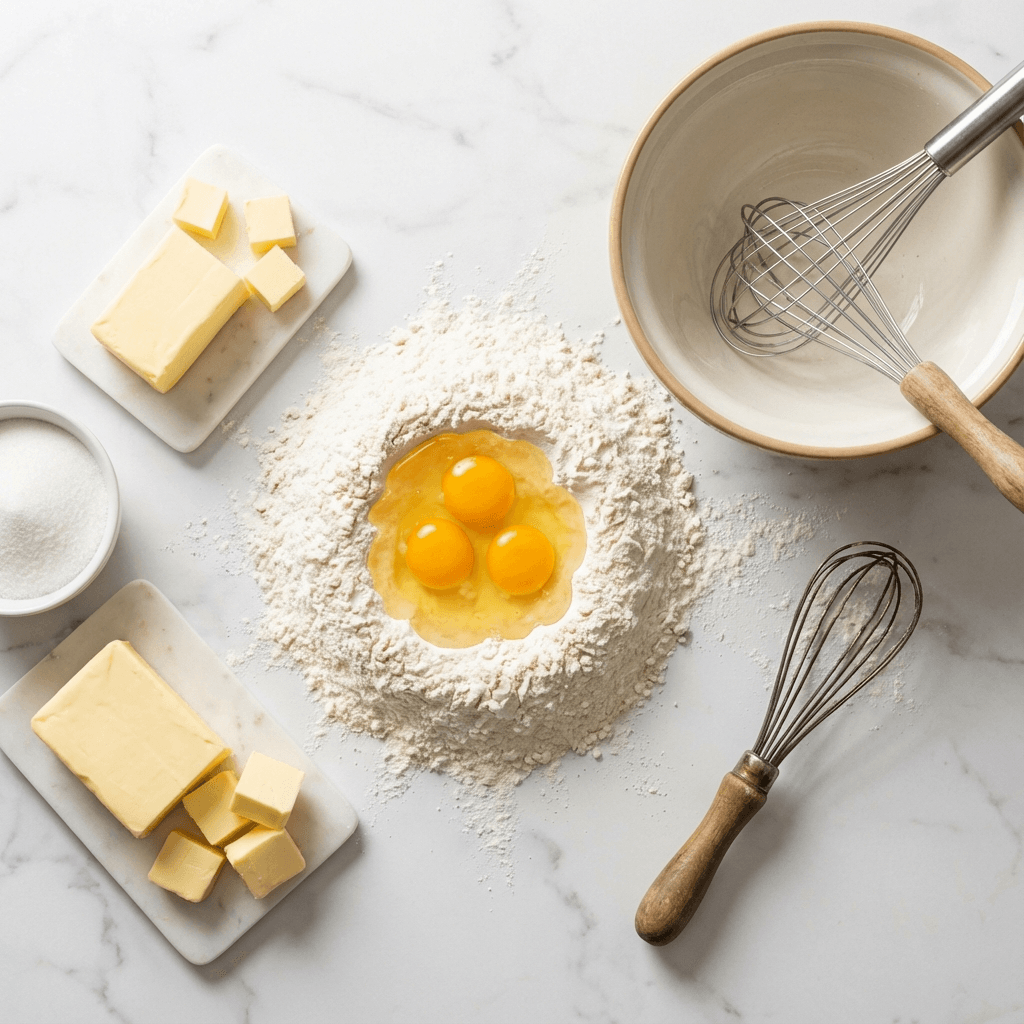
Welcome to Sarah Ait dahan's guide to mastering the timeless French classic: Crème Brûlée. This elegant dessert, with its rich, velvety custard and s...
📑 Table of Contents
Crack the Code: Crafting Classic Crème Brûlée
Welcome to Sarah Ait dahan's guide to mastering the timeless French classic: Crème Brûlée. This elegant dessert, with its rich, velvety custard and signature crisp, caramelized sugar topping, is a testament to simple ingredients transformed by precise technique. Mastering crème brûlée will not only impress your guests but also deepen your understanding of custard science.
The Science of Custard Coagulation & Caramelization
Crème brûlée is a baked custard, and its scientific success lies in the gentle coagulation of egg yolks and cream. The mixture is slowly cooked, often in a water bath, to ensure the egg proteins set smoothly without curdling. Too high a temperature or too fast a bake will lead to a scrambled texture. The magic of the brûlée topping is pure caramelization: when sugar is heated directly (usually with a torch), it undergoes a chemical transformation, breaking down into hundreds of new flavor compounds and forming a hard, glassy crust. This provides a delightful textural contrast to the silky custard underneath.
Tips & Variations for Classic Crème Brûlée
Tips for Flawless Crème Brûlée:
- Use High-Quality Ingredients: Fresh egg yolks, heavy cream, and good vanilla make a noticeable difference.
- Infuse Cream Properly: Gently heat cream with vanilla (bean, extract, or paste) and let it steep for maximum flavor.
- Tempering Egg Yolks: Slowly whisk a small amount of hot cream into the egg yolks (tempering) before adding the mixture back. This prevents scrambling.
- Strain the Mixture: Always strain the custard mixture to remove any bits of cooked egg or undissolved sugar for a perfectly smooth result.
- Water Bath is Essential: Bake the custards in a water bath (bain-marie) to ensure gentle, even cooking and a silky texture.
- Don't Overbake: Custards are done when the edges are set but the center still jiggles slightly. They will firm up as they cool.
- Chill Thoroughly: Chill for at least 4 hours, or preferably overnight, before torching the sugar.
Variations & Considerations:
- Flavor Infusions: Infuse the cream with lavender, coffee beans, spices (cardamom, star anise), citrus zest, or even matcha.
- Chocolate Crème Brûlée: Melt dark chocolate into the hot cream before adding to the egg yolks.
- Alternative Sugars for Topping: While granulated sugar is classic, you can experiment with turbinado sugar for a slightly coarser crunch.
- Ramekin Size: Adjust baking time for different sized ramekins.
- Serving: Serve with fresh berries, a mint sprig, or a light shortbread cookie.
- No Torch? No Problem: If you don't have a kitchen torch, you can achieve a caramelized topping by placing the sugar-topped custards under a broiler for a very short time, watching constantly.
Save Your Calculations?
Get the Bakery Business OS to save recipes, track inventory, and manage orders in one place.
Reclaim Your Time →