
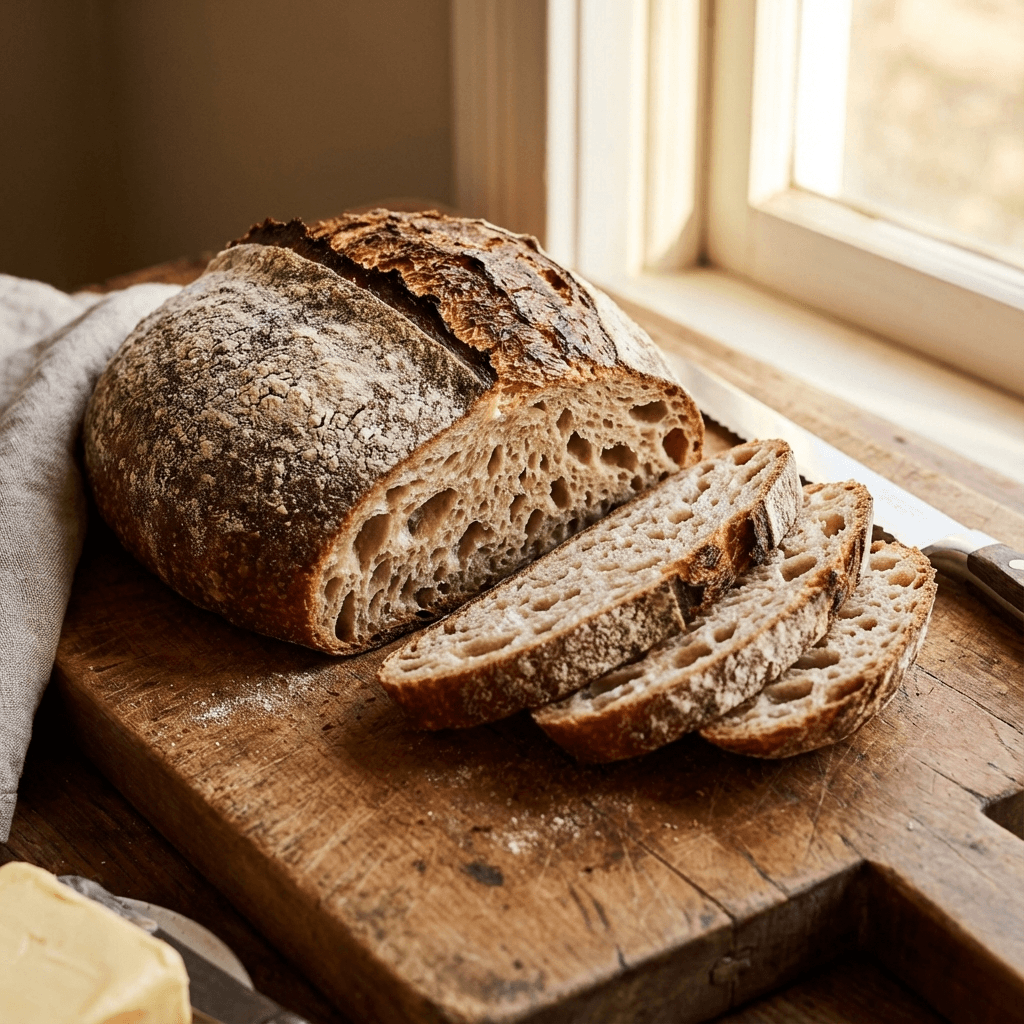
Welcome to Sarah Ait dahan's guide on mastering yeast conversions, a crucial skill for any baker working with leavened doughs. Whether a recipe calls...
📑 Table of Contents
Yeast Whisperer: Your Guide to Yeast Conversions
Welcome to Sarah Ait dahan's guide on mastering yeast conversions, a crucial skill for any baker working with leavened doughs. Whether a recipe calls for active dry, instant, or fresh yeast, knowing how to properly convert between them ensures your bread, rolls, and pastries rise beautifully every time. This article will demystify yeast types and provide the tools for perfect conversions.
The Science of Fermentation
Yeast are living microorganisms that play a vital role in baking through a process called fermentation. They feed on sugars in the dough, producing carbon dioxide gas and alcohol. The gas creates air pockets, causing the dough to rise and giving baked goods their light, airy texture. Different types of yeast (active dry, instant, fresh) are processed differently, affecting their activity levels and how they should be incorporated into a recipe. Understanding these nuances is key to controlling the rate of fermentation and achieving optimal flavor and texture development.

Tips & Variations for Yeast Conversion
Tips for Accurate Yeast Conversion:
- Understand the Ratios: The general conversion ratio for yeast types by weight is approximately: 1 part instant yeast = 1.25 parts active dry yeast = 3 parts fresh yeast.
- Activate Active Dry Yeast: Active dry yeast typically needs to be dissolved in warm liquid (around 105-115°F / 40-46°C) for 5-10 minutes until foamy before adding to other ingredients.
- Instant Yeast Can Be Added Directly: Instant yeast is more finely ground and doesn't require activation; it can be mixed directly with dry ingredients.
- Fresh Yeast is Perishable: Fresh yeast has a shorter shelf life and should be crumbled and dissolved in liquid before use.
Variations & Considerations:
- Don't Rush It: Fermentation takes time. While instant yeast is faster, don't sacrifice flavor development by rushing the process.
- Proofing Environment: Warm, humid conditions are ideal for yeast activity.
- Yeast Amount Adjustments: For longer, slower ferments (like sourdough or overnight proofs), you might intentionally use less yeast than a standard recipe.
- Flavor Impact: Longer, slower fermentation (often achieved with less yeast) generally develops more complex flavors in bread.
- Storage: Store yeast properly to maintain its viability. Active dry and instant yeast are best stored in an airtight container in the refrigerator or freezer. Fresh yeast must be refrigerated.
Save Your Calculations?
Get the Bakery Business OS to save recipes, track inventory, and manage orders in one place.
Reclaim Your Time →