
Welcome to Sarah Ait dahan's guide on mastering volume conversions in baking. While precision is paramount in the kitchen, sometimes recipes call for...
📑 Table of Contents
Volume Versatility: Your Baking Volume Converter
Welcome to Sarah Ait dahan's guide on mastering volume conversions in baking. While precision is paramount in the kitchen, sometimes recipes call for units you're unfamiliar with, or you need to adapt measurements. Understanding how to accurately convert between different volume units (cups, milliliters, tablespoons, liters) is a valuable skill that ensures your recipes maintain their intended balance and consistency.
The Science of Liquid vs. Dry Volume
The science of volume measurement in baking highlights a key distinction: liquid volumes are generally consistent, while dry ingredient volumes are notoriously inconsistent. For instance, a cup of water will always weigh the same (approximately 236 grams or 8 fluid ounces), but a cup of flour can vary significantly in weight depending on how it's scooped or sifted. This variability is due to differences in density, particle size, and air pockets. While liquid volume conversions are straightforward, relying on dry volume measurements can introduce significant errors into chemically sensitive baking recipes.

Tips & Variations for Volume Conversion
Tips for Accurate Volume Conversion:
- Prioritize Weight for Dry: Whenever possible, convert dry ingredients to weight (grams or ounces) for accuracy, rather than relying solely on volume.
- Level Accurately: When using volume for dry ingredients, always level off with a straight edge to minimize inconsistencies.
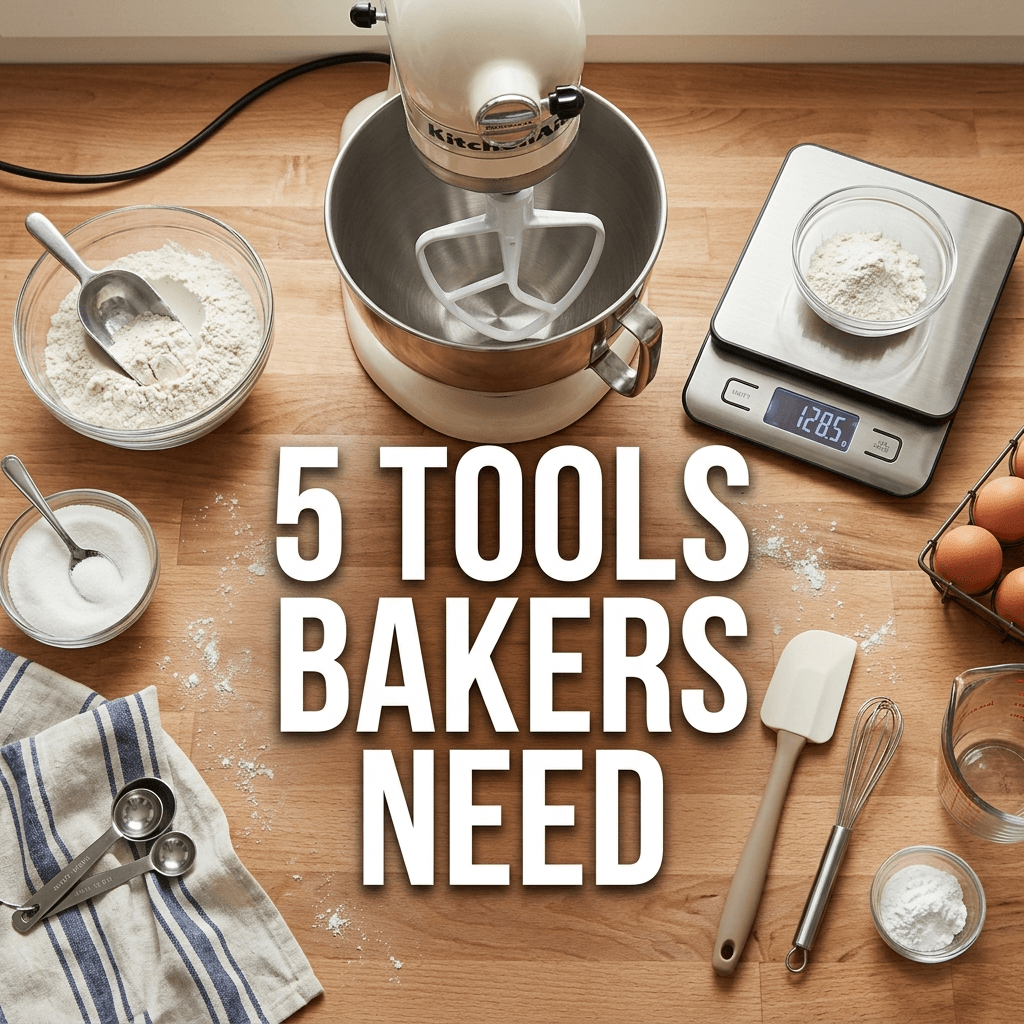
- Use Proper Tools: Liquid measuring cups are designed with a spout for accurate pouring and reading at eye level; dry measuring cups are meant to be leveled.
- Know Your Equivalents: Memorize common conversions: 1 cup = 16 tablespoons = 236.5 ml (approx.), 1 tablespoon = 3 teaspoons = 15 ml (approx.).
Variations & Considerations:
- Metric vs. Imperial: Be comfortable converting between milliliters/liters and cups/fluid ounces, as recipes often originate from different systems.
- Fluid Ounces vs. Weight Ounces: Remember that fluid ounces (volume) are different from weight ounces. A recipe calling for "8 ounces" should specify "fluid ounces" or "ounces by weight."
- Ingredient Density: Keep in mind that different ingredients have different densities. A volume conversion chart should be ingredient-specific for best results.
- Online Converters & Apps: Utilize trusted online converters or baking apps that often account for ingredient density when performing conversions.
Save Your Calculations?
Get the Bakery Business OS to save recipes, track inventory, and manage orders in one place.
Reclaim Your Time →