
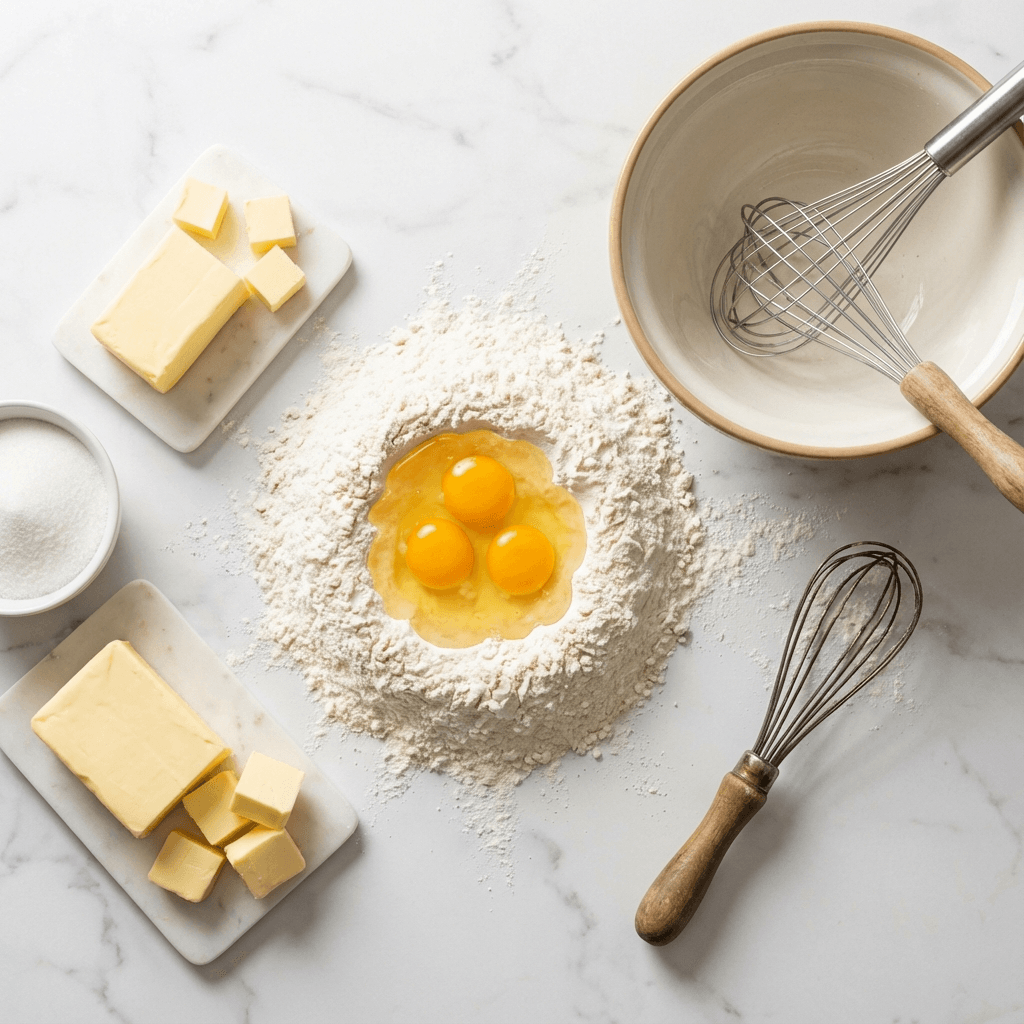
Welcome to Sarah Ait dahan's guide to mastering gluten-free baking! Whether you're baking for dietary restrictions, health choices, or simply to expl...
📑 Table of Contents
Gluten-Free Gold: Mastering Gluten-Free Baking Tips
Welcome to Sarah Ait dahan's guide to mastering gluten-free baking! Whether you're baking for dietary restrictions, health choices, or simply to explore new culinary frontiers, gluten-free baking can be both challenging and incredibly rewarding. This article delves into the science of gluten-free ingredients and provides essential tips to ensure your bakes are as delicious and satisfying as their gluten-containing counterparts.
The Science of Gluten-Free Structure & Texture
Gluten, a protein complex found in wheat, barley, and rye, provides elasticity, strength, and structure to traditional baked goods. In gluten-free baking, the scientific challenge lies in mimicking these crucial properties. This often involves using a blend of different gluten-free flours (e.g., rice, almond, tapioca, corn) to achieve a balanced flavor and texture profile, along with binders (like xanthan gum, guar gum, or psyllium husk) to provide elasticity and prevent crumbling. Understanding how these alternative ingredients absorb liquid, develop structure, and interact during baking is key to avoiding common pitfalls like dry, crumbly, or dense results.

Tips & Variations for Successful Gluten-Free Baking
Tips for Gluten-Free Success:
- Use a Gluten-Free Flour Blend: Instead of single-ingredient gluten-free flours, use a commercially available blend or create your own balanced blend.
- Add Binders: Xanthan gum or guar gum are often essential for providing elasticity and structure in gluten-free doughs and batters.
- Increase Moisture: Gluten-free flours tend to absorb more liquid. You might need to add slightly more liquid (milk, water, oil) to your recipes.
- Don't Overmix: Mix only until just combined to prevent tough textures, as many gluten-free flours can still develop a degree of gumminess if overmixed.
- Rest Your Dough/Batter: Allow gluten-free doughs and batters to rest for 15-30 minutes before baking to allow flours to fully hydrate.
- Check for Doneness: Gluten-free bakes can brown faster but still be undercooked. Rely on internal temperature or a toothpick test.
Variations & Considerations:
- Specific GF Flours: Experiment with almond flour (for moisture/richness), oat flour (for chewiness), tapioca starch (for crispness), or buckwheat flour (for earthy flavor).
- Yeast-Based GF: For breads, ensure your gluten-free bread recipe uses appropriate binders and often requires a specific kneading or folding technique to build structure.
- Muffins/Quick Breads: These are often easier to adapt to gluten-free as they rely less on gluten development for structure.
- Egg/Dairy-Free GF: Many gluten-free recipes can also be adapted to be vegan, using flax eggs, chia eggs, and plant-based milks/butters.
- Cross-Contamination: For severe allergies, ensure dedicated gluten-free equipment and separate workspaces.
Save Your Calculations?
Get the Bakery Business OS to save recipes, track inventory, and manage orders in one place.
Reclaim Your Time →