
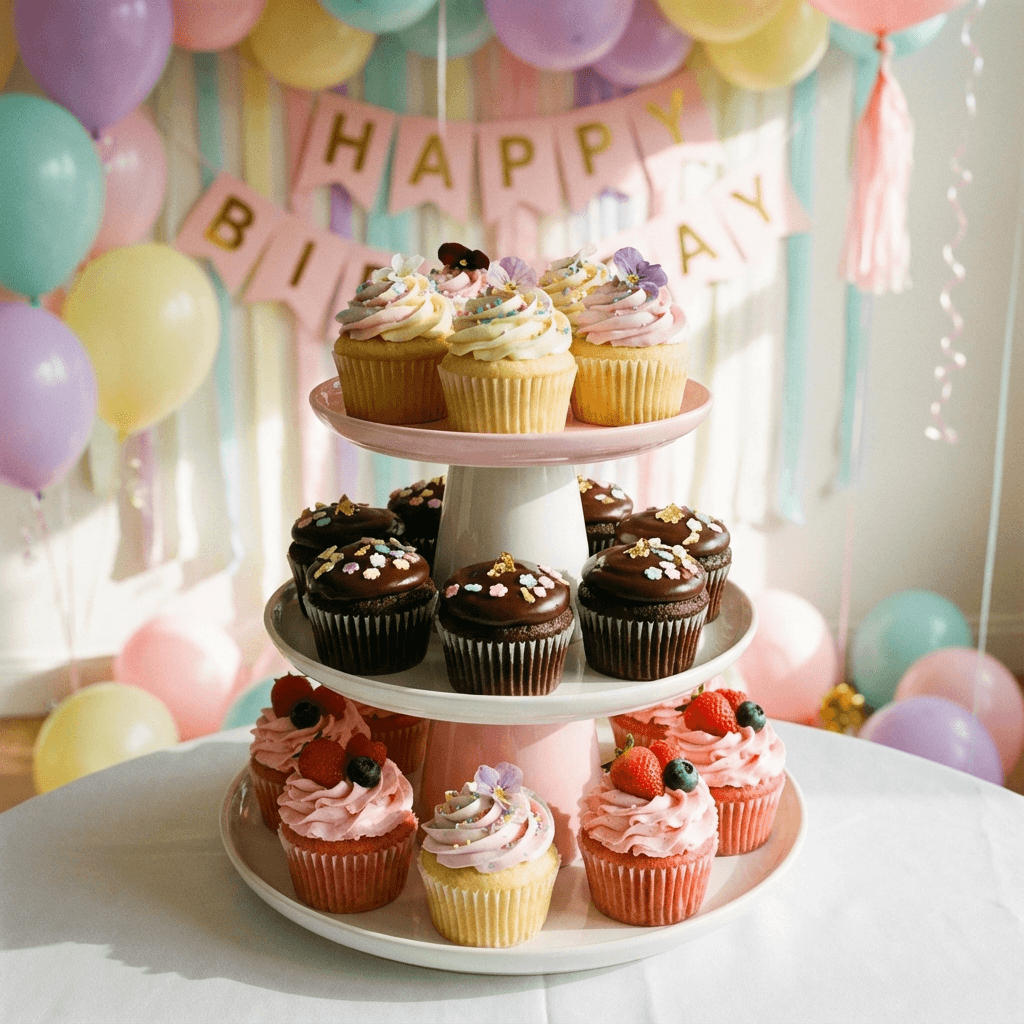
Welcome to Sarah Ait dahan's guide on mastering frosting colors with the help of a color mixer. Creating vibrant, consistent, and beautiful hues is a...
📑 Table of Contents
Color Me Sweet: Your Frosting Color Mixer Guide
Welcome to Sarah Ait dahan's guide on mastering frosting colors with the help of a color mixer. Creating vibrant, consistent, and beautiful hues is an art and a science, essential for bringing your baked creations to life. Whether you're aiming for subtle pastels or bold, rich tones, understanding color theory and proper mixing techniques will elevate your decorating skills.
The Science of Color Theory & Pigmentation
At its core, frosting color mixing is an application of color theory, which has scientific principles related to light and pigment. Understanding primary (red, yellow, blue), secondary (orange, green, violet), and tertiary colors allows you to create virtually any shade. Edible food colors are concentrated pigments that interact with the base color of your frosting (e.g., yellowish butter, white shortening). The science involves knowing how these pigments will dilute and combine to produce a desired hue, and how their stability might be affected by light, pH, and storage conditions.
Tips & Variations for Frosting Color Mixing
Tips for Achieving Perfect Hues:
- Start with White Frosting: For the purest and most vibrant colors, begin with a stark white buttercream or royal icing.
- Use Gel or Paste Colors: These are highly concentrated and won't thin your frosting like liquid food coloring can.
- Add Gradually: Always add color a little at a time, mixing thoroughly before adding more. It's easier to add color than to remove it.
- Let Color Deepen: Colors often deepen over time, especially after resting for a few hours. Aim for a shade slightly lighter than your target.
- Keep Notes: For custom shades, record the exact colors and amounts used so you can recreate them later.
Variations & Considerations:
- Primary Colors: Master mixing red, yellow, and blue to create a wide spectrum of colors.
- Secondary & Tertiary Colors: Learn how to combine primaries to get secondary colors, and then mix secondary with primaries for tertiary shades.
- Black & Red Frosting: These can be challenging. For black, start with a dark base like chocolate frosting. For vibrant red, use a no-taste red gel color and let it deepen.
- Natural Colorants: Experiment with natural options like beet powder (for pinks/reds), spirulina (for greens), or turmeric (for yellows), though results may be less vibrant.
- Ombre/Gradient Effects: Create stunning visual transitions by gradually adding color to a portion of frosting.
- Color Palettes: Plan your color scheme in advance, considering the event, theme, and season.
Save Your Calculations?
Get the Bakery Business OS to save recipes, track inventory, and manage orders in one place.
Reclaim Your Time →