
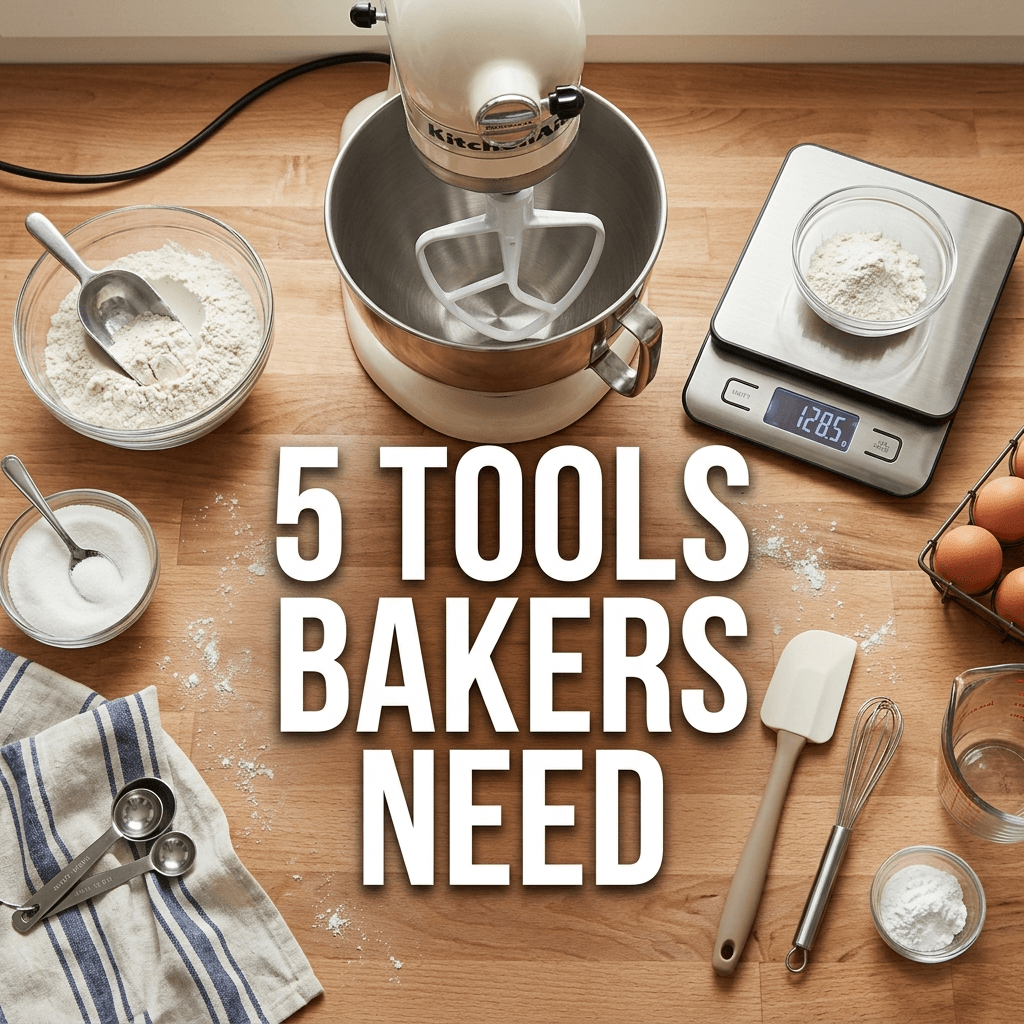
Welcome to Sarah Ait dahan's in-depth guide to understanding and utilizing Baker's Percentage, a fundamental concept for any serious baker. This powe...
📑 Table of Contents
Unlock Baking Precision with Baker's Percentage
Welcome to Sarah Ait dahan's in-depth guide to understanding and utilizing Baker's Percentage, a fundamental concept for any serious baker. This powerful tool allows you to scale recipes with unparalleled accuracy, consistency, and flexibility, moving beyond fixed measurements to proportional relationships based on flour. Master Baker's Percentage, and you'll unlock a new level of control and creativity in your baking.
The Science Behind the Ratios
At its core, Baker's Percentage is about expressing all ingredients as a percentage of the total flour weight, which is always 100%. This scientific approach highlights the critical role of flour as the structural backbone of most baked goods. Understanding these ratios (e.g., hydration percentage) reveals how ingredients impact dough consistency, rise, and final texture. For instance, a higher hydration percentage leads to a more open crumb in bread due to increased gluten development, while precise sugar percentages influence browning and moisture retention through chemical reactions.

Tips & Variations for Baker's Percentage
Tips for Mastering Baker's Percentage:
- Always Start with Flour as 100%: This is the golden rule. Every other ingredient is calculated relative to the flour's weight.
- Convert to Weight: Baker's Percentage *requires* all ingredients to be measured by weight for true accuracy. Ditch volume measurements.
- Practice with Familiar Recipes: Start by converting a few of your favorite recipes to Baker's Percentage to grasp the concept before creating your own.
- Analyze Ratios: Pay attention to common percentages for different types of baked goods (e.g., bread hydration, cookie fat content) to build intuition.
Variations & Applications:
- Developing New Recipes: Easily formulate new recipes by setting desired percentages for key ingredients.
- Adjusting Existing Recipes: Fine-tune the hydration, fat, or sugar content of a recipe to achieve a different texture or consistency.
- Scaling Recipes Up or Down: Once you have the percentages, scaling a recipe to any batch size becomes a simple calculation.
- Troubleshooting: By examining the percentages, you can often diagnose why a recipe isn't performing as expected (e.g., too low hydration for bread, too high sugar for a soft cookie).
Save Your Calculations?
Get the Bakery Business OS to save recipes, track inventory, and manage orders in one place.
Reclaim Your Time →